

What does moderation mean?
We are all apparently drinking less. But how are we doing that?

My recent piece, calling for a broader range of formats for wine as a way of embracing the ‘moderation’ so many people claim to support, attracted a fair amount of interest. Including among people who, quite frankly, admitted they have no time for moderation.
All of which made me think about defining that term beyond, say, two units per day or a given number of litres per year. In other words, what does moderation look like in the real world?
For some, I’m sure it’s about following medical or fitness advice about those units. This is where my 50cl bottles fit. But for many others, it is more a binary matter of drinking or not drinking.
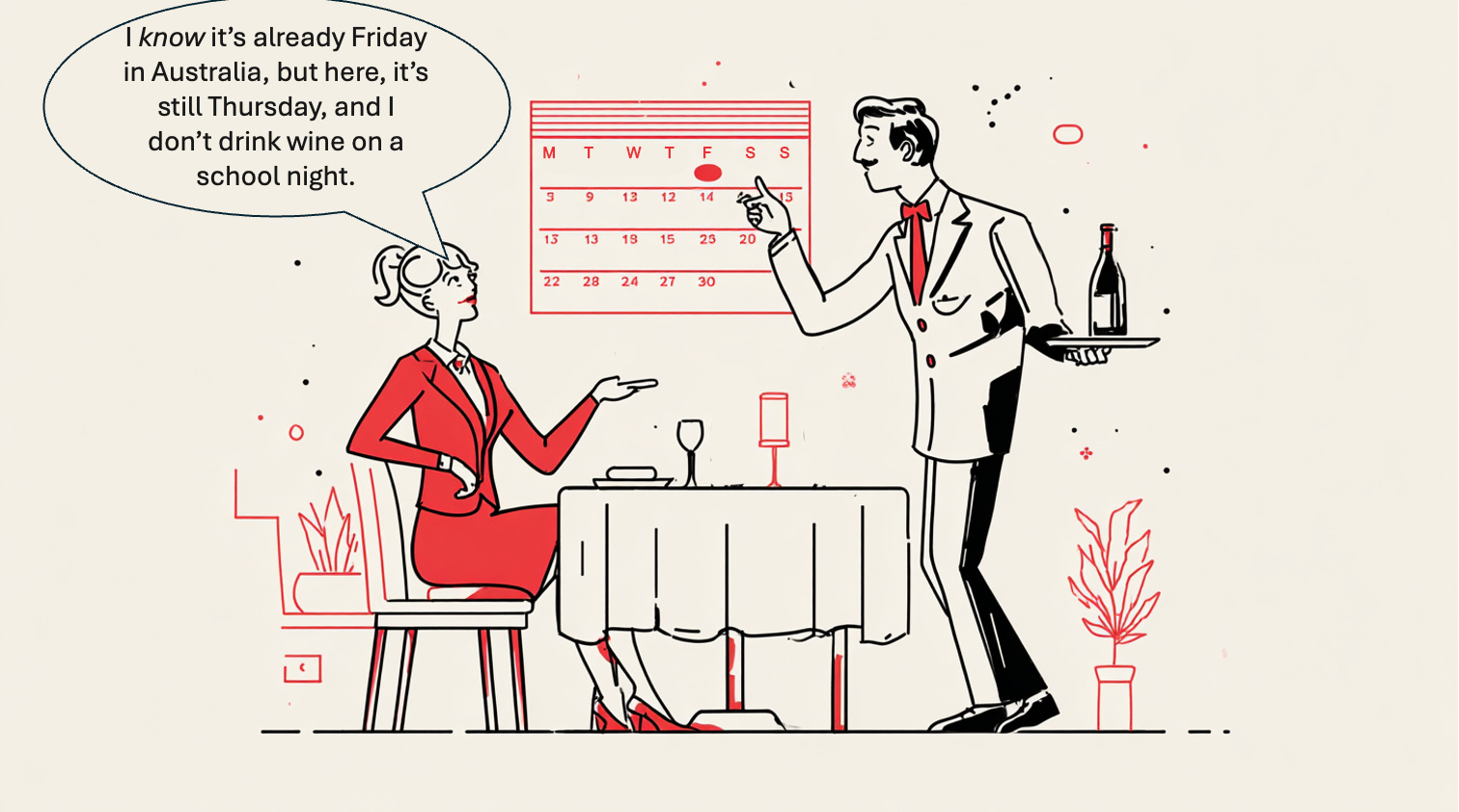
A study by IWSR earlier this year found that a growing number of people have embraced an ‘intermittent abstinence’ or ‘zebra striping’ approach to alcohol. There are periods when they are happy to consume it, and ones when they are equally happy not to. These teetotal times might take the form of Dry January, Dry July or Sober October, or ‘school-nights’ - Sunday-through-Thursday evenings. The IWSR report suggests that this way of looking at alcohol applies to 60% of Gen Z and 40% of the general drinking public.
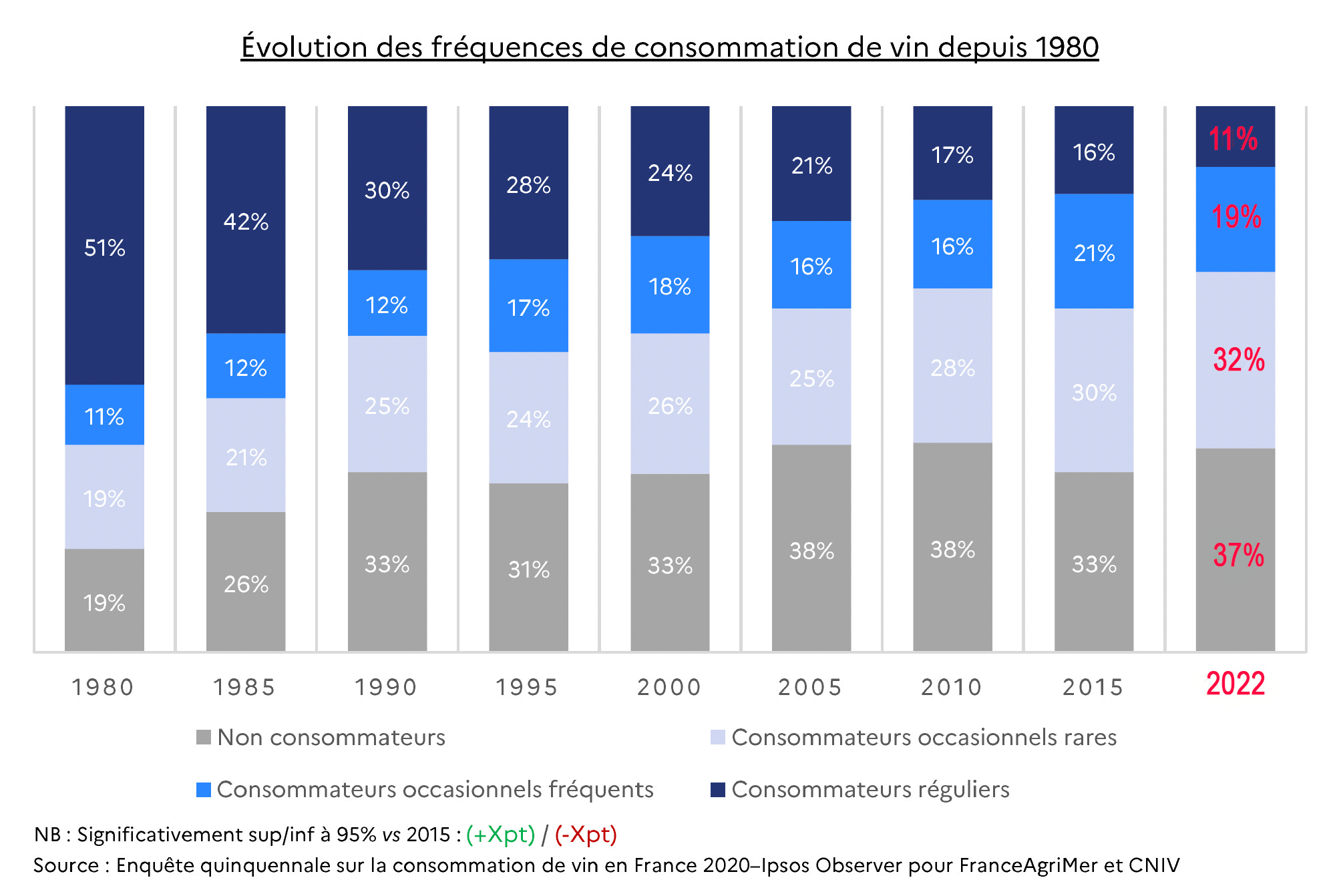
Quite frankly, I don’t care about the precise accuracy of these two figures, any more than of the FranceAgrimer charts showing that the proportion of French citizens who drink wine ‘frequently’ or ‘on frequent occasions’ has fallen from 37% in 2015 to 30% in 2022. They are telling the same story—one that is reflected in attitudes toward what one might call intermittent vegetarianism.
No wine or meat, thank you - it’s Wednesday
According to a 2024 report, 38% of Americans are already ‘flexitarians’, who mostly go without meat for three days a week. This figure is expected to rise to 42%. Again, I’m not fixated on these specific numbers; other studies will offer alternatives. But, as with alcohol, they collectively reveal a pattern that most of us will have witnessed in our own lives and those of people we know and encounter.
